
.
The Future of Digital Growth: AI-Driven Marketing Strategy
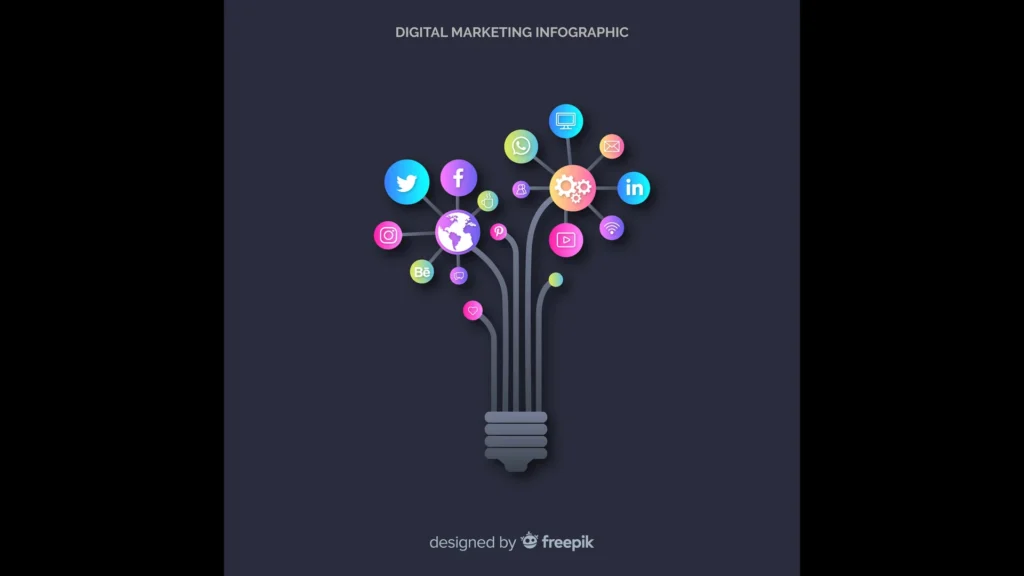
In 2026, the digital landscape has shifted from a “broadcast” model to an “ecosystem” model. It is no longer enough to simply push content out and hope for clicks. With the rise of Generative AI, private communities, and fragmented search behaviors, the rules of engagement have been rewritten—making an AI-Driven Marketing Strategy essential for sustainable growth.
For businesses to survive and thrive, their digital marketing strategy must be built on six foundational pillars that balance cutting-edge technology with radical human authenticity, ensuring innovation never replaces genuine human connection.
.
-
Beyond SEO: The Transition to Generative Engine Optimization (GEO)
For decades, Search Engine Optimization (SEO) was about one thing: ranking on the first page of Google. In 2026, “Search” has evolved into “Discovery.” Users are increasingly using AI agents—like Gemini, ChatGPT, and Perplexity—to synthesize information for them. This shift makes Generative visibility a core component of any modern AI-Driven Marketing Strategy.
The Strategy:
Generative Engine Optimization (GEO) is the practice of ensuring your brand is the primary source that AI models cite when answering a user’s question—positioning your business as an authoritative voice within an AI-Driven Marketing Strategy framework.
-
Claim-and-Evidence Structure: AI models prefer content that makes a clear claim followed by verifiable data or a case study.
-
Schema Markup 3.0: Technical SEO now involves deep “Structured Data” that tells AI bots exactly what your services are, who your experts are, and what your pricing structure looks like.
-
Brand Mentions as Backlinks: In the past, a link from another site was the goal. Now, a “brand mention” in a high-authority Reddit thread or a niche community is a powerful signal to AI models that your brand is a trusted entity.
- Hyper-Personalization through Predictive AI
The era of “one-size-fits-all” email blasts is over. In 2026, consumers expect a brand to know what they want before they even ask for it. This is made possible by Predictive Analytics.
The Strategy:
Using AI to analyze customer behavior in real-time allows marketers to move from “reactive” to “proactive” campaigns.
* Dynamic Websites: Modern websites now reorganize their homepage layout based on the individual visitor’s past behavior. A first-time visitor sees educational content; a returning customer sees personalized product recommendations.
* Next-Best-Action Models: Instead of standard drip campaigns, AI triggers specific messages based on “micro-signals”—like a user spending 30 seconds on a specific pricing page or downloading a specific whitepaper.
* Churn Prediction: AI can now identify “at-risk” customers by detecting subtle changes in their engagement levels, allowing you to trigger a “win-back” offer before they leave.
- The “Authenticity Moat” and Human-Centric Creative
As the internet becomes flooded with perfect, AI-generated images and videos, “perfection” has become a commodity. In 2026, the most successful brands are those that lean into Human Messiness.
The Strategy:
Build an “Authenticity Moat” around your brand by producing content that AI cannot replicate.
* Lo-Fi Video Dominance: Smartphone-captured, unedited “behind-the-scenes” content is consistently outperforming high-production studio ads. It signals to the consumer that there are real people behind the logo.
* Employee promotion:4 In 2026, people trust “subject matter experts” (SMEs) within a company more than they trust the company’s official social media handle.
* Ethical AI Use: Transparency is a major conversion trigger. Brands that clearly label AI-assisted content and pledge “Human-in-the-Loop” creative processes are seeing higher brand loyalty.
- Social Commerce and “Discovery” Feeds
Social media is no longer just for awareness; it is the new storefront. In 2026, the “funnel” has been compressed. A user can discover a product in a 15-second video, read three reviews, and checkout—all without ever leaving the social app.
The Strategy:
Optimize for “Zero-Click” journeys where the transaction happens at the point of discovery.
* Shoppable Video: Every video you post should have integrated checkout features. If a user has to visit the link in bio you have already lost 50% of your prospective overhaul
* Social Search: Gen Z and Gen Alpha use TikTok and Instagram as search engines. Your social captions must be as optimized as your blog posts, using conversational keywords that match how people actually talk.
* Creator Partnerships: Moving beyond “influencers,” brands are now hiring creators as “Creative Directors” to ensure the content feels native to the platform.
- Zero-Party Data and Privacy-First Marketing

With the total phase-out of third-party cookies and stricter global privacy laws (like GDPR and CCPA updates), the way we track users has changed. In 2026, the most valuable asset a company owns is its First-Party and Zero-Party Data.
The Strategy:
Invite your customers to share their data voluntarily in exchange for massive value.
-
Interactive Content: Quizzes, calculators, and assessments are the best ways to collect Zero-Party data. When a user tells you their budget or their “pain point” in a quiz, they are giving you a roadmap to personalize your messaging—an essential component of an effective AI-Driven Marketing Strategy.
-
Owned Communities: Instead of relying on a Facebook group, brands are building their own private “hubs” (on platforms like Discord or custom-built apps). This ensures you own the data and the relationship, regardless of algorithm changes, strengthening the long-term foundation of your AI-Driven Marketing Strategy.
-
Value-Based Newsletters: Email isn’t dead; it’s just more competitive. Newsletters in 2026 must be “mini-magazines” that provide standalone value, not just a list of links back to your site—supporting a trust-first AI-Driven Marketing Strategy built on direct audience relationships.
- Full-Funnel Attribution and “Trust Metrics”
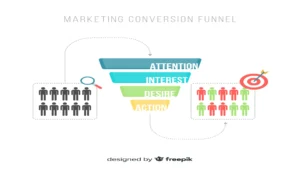
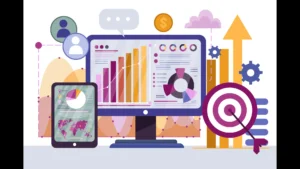
In 2026, we have moved past “Vanity Metrics” like likes and follows. Marketing departments are now being held accountable for LTV (Lifetime Value) and CAC (Customer Acquisition Cost) across complex, multi-touch journeys.
The Strategy:
Implement advanced attribution models that account for the “Dark Social” (word of mouth, private messages, and offline influence).
* Holistic Measurement: Use AI-powered dashboards that connect your CRM, ad platforms, and website to see the “Full Picture.”
* Sentiment Analysis: Use tools to measure the mood of the conversation around your brand. Are people happy, frustrated, or indifferent? Proactive signals about upcoming revenue performance * Brand Authority Score: A new KPI in 2026 is “Topical Authority”—how often your brand is mentioned as an expert in a specific niche by both humans and AI models.
Conclusion: The New Digital Mandate
Digital marketing in 2026 is a paradox. It requires us to be more technologically advanced than ever before—mastering AI, data, and algorithms—while simultaneously being more radically human in our delivery.
The brands that will win are those that use AI to handle the scale but keep humans at the center of the strategy and soul. Whether it’s optimizing for the next generation of AI search or building a private community for your most loyal fans, the goal remains the same: To be the most trusted voice in the room.
Is Your Strategy Ready for 2026?
Don’t get left behind by the AI shift. Whether you need a full GEO audit or a new community-first social strategy, our team is here to help you navigate the future.
[Contact Us Today for a Free 2026 Readiness Audit]
Pro-Tip for your Website:
* Update the “About” Page: Make sure it mentions your specific stance on AI and human creativity.
* Add an FAQ Section: Use the exact questions people are asking in 2026 to capture “Answer Engine” results.
* Use High-Quality Original Photos: Replace all stock photos with real photos of your office or work.
Would you like me to help you create a specific “Case Study” template to fill out for your website to prove your authority?
AUTHOR:SYAMIL